
How to Build a Corporate Headshot Strategy That Actually Works

This article is part of our Team & Company Headshots collection.
Here's the thing: a corporate headshot is way more than just a picture. It's the first thing people see when they look up your team online. In B2B, where a LinkedIn profile has basically replaced the business card, that single photo is often the first point of contact for clients, partners, and future hires. It sets the tone for your entire business relationship.
Why does your corporate headshot strategy matter so much?
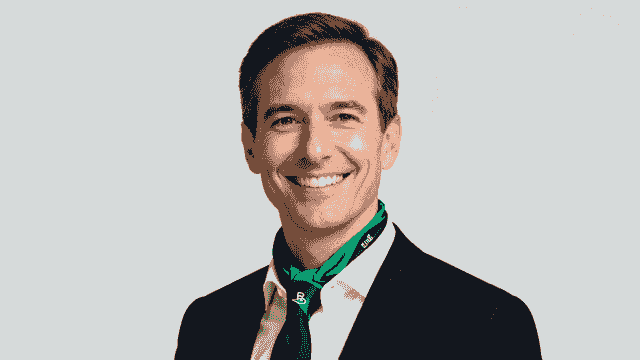
Think of your company's headshots as a visual uniform. When every photo is consistent and high-quality, it tells a story without saying a word. It shows professionalism, builds instant trust, and creates a sense of unity -- even if your team is scattered across the globe.
That kind of visual consistency makes a huge difference for credibility before anyone even sends a single email.
For any B2B company, this first impression is a real strategic asset. When a potential client lands on your "About Us" page or scrolls through your sales team's profiles, they aren't just looking at faces. They're subconsciously judging your company's competence and attention to detail. A cohesive headshot strategy makes your whole organization feel more buttoned-up, unified, and reliable.
How do headshots affect brand perception?
A random mix of headshots -- selfies, vacation photos, and blurry, outdated professional pictures -- sends a message of disorganization. It just feels messy. On the flip side, a standardized approach reinforces your brand identity at every digital touchpoint. This isn't just about looking good; it's about signaling quality and cohesion to everyone you do business with.
The market is already voting with its wallet. The global demand for professional headshot services hit around USD 2.5 billion in 2023 and is on track to more than double by the end of the decade. Why? Because the data is clear: profiles with professional photos get up to 21 times more views on platforms like LinkedIn.
Your headshot is the hook that gets people to pay attention. Here's a quick breakdown of how this plays out across the platforms where your business shows up most.
How do headshots shape perception on key platforms?
| Platform | Primary Impact on Perception | Key Business Benefit |
|---|---|---|
| Professionalism & Credibility | Attracts top talent, generates qualified leads, and builds industry authority. | |
| Company Website ("About Us" page) | Trustworthiness & Team Unity | Humanizes the brand, builds an immediate connection, and showcases company culture. |
| Email Signatures | Approachability & Personal Connection | Makes digital communication feel more personal and helps build stronger client relationships. |
| Sales Proposals & Decks | Competence & Reliability | Adds a human face to the pitch, making the sales team feel more trustworthy and relatable. |
| Conference Speaker Bios | Expertise & Authority | Establishes the speaker as a credible expert before they even step on stage. |
As you can see, the impact goes far beyond just one platform. It's about creating a consistent, professional identity wherever your people show up online.
How do you keep remote and distributed teams looking unified?
For remote or hybrid teams, a unified headshot strategy is even more essential. It bridges geographical distances and creates a shared identity that strengthens team cohesion. When employees see themselves as part of a visually connected team, it reinforces company culture and presents a strong, united front to the outside world.
A strong corporate headshot strategy does more than just update profiles; it standardizes professionalism and turns individual employee images into a collective brand statement. This visual alignment is key to building trust in a digital-first business environment.
Modern solutions like AI headshot generators have made achieving this consistency way easier. Companies can now equip their entire workforce -- from HQ to the most remote employee -- with on-brand, studio-quality photos without the logistical nightmare of traditional photoshoots. Properly optimized LinkedIn headshots are the perfect place to start. Think of it as an investment in your brand's reputation, making sure every single introduction is professional and impactful.
How do you create a corporate headshot style guide?
A strong style guide is the secret sauce for visual consistency. It's the blueprint that makes sure every single headshot -- from the CEO in the corner office to the new intern dialing in remotely -- looks and feels like it belongs to your brand. Think of it as a visual recipe that anyone can follow to get the perfect result, every single time.
This guide goes way beyond just telling people what to wear. It's about nailing down the core visual elements that reflect your company's personality. Are you innovative and bold, or more traditional and trustworthy? The choices you make here will translate those values directly into your team's photos.
What background should you pick for corporate headshots?
The first big decision is where your team will be photographed. This choice single-handedly sets the mood for the entire headshot, telling a different story about your company culture with each option.
- Studio Background: A clean, solid-colored background (think gray, white, or a key brand color) is timeless and professional. It puts all the focus right on the person, creating a sharp, uniform look that's incredibly easy to replicate across a massive team. No distractions, just pure professionalism.
- Office Environment: Using your actual workspace as the backdrop adds a dose of authenticity and context. A softly blurred view of a modern office can instantly communicate a collaborative and dynamic culture, making the company feel more tangible and real to outsiders.
- Environmental Setting: Taking things outdoors or to a specific location can be a powerful way to reflect your industry or company values. A tech company might use a sleek, architectural setting to look modern, while a sustainability-focused firm could opt for a natural, outdoor scene to drive its brand message home.
How should you handle lighting and posing?
Lighting and posing are where the personality really comes alive in a corporate headshot. These two elements determine whether your team comes across as authoritative and serious or open and approachable. The trick is to match the style to your company's voice.
For lighting, are you going for a soft, even light that feels welcoming and friendly? This is a fantastic choice for client-facing roles. Or does a more dramatic, high-contrast lighting style better fit your brand's bold, decisive image?
Posing can be just as varied:
- Formal Poses: The traditional, forward-facing pose with direct eye contact is all about authority and confidence. This is a go-to style for law firms, financial institutions, and established corporations that want to project stability.
- Relaxed Poses: A slight head tilt, a genuine smile, or a more casual posture can make team members seem much more approachable and collaborative. This approach works wonders for creative agencies, tech startups, and any company that prides itself on a relaxed culture.
The goal is to standardize these elements so that a headshot taken by a photographer in London has the same core vibe as one generated by an AI for a remote employee in Singapore. Consistency is the foundation of a strong visual brand identity.
How do you align headshot colors with your brand?
Your brand's color palette should be subtly woven into your headshot style guide. This doesn't mean forcing everyone into a company polo shirt. It's about making smart, subtle choices that reinforce your visual identity.
You can specify a range of complementary background colors or simply suggest wardrobe tones that align with your brand. For example, a company with a blue and gray logo might recommend employees wear cool tones like navy, charcoal, or light blue. The result? A perfectly harmonious and polished look on the company's "About Us" page.
The trend for corporate headshots is definitely moving toward authentic, natural expressions paired with top-notch technical quality. In fact, industry reports show that by 2025, 70% of professionals will seek 'unforced' looks that feel genuine yet professional. This shift makes it even more important to have a style guide that encourages personality while keeping everything consistently on-brand. You can discover more insights about professional headshot trends to see exactly how the industry is evolving.
What are the best headshot solutions for your team?
Once you've nailed down your corporate headshot style guide, the big question becomes: how do we actually get these photos? For any modern business, especially one with remote or distributed teams, this decision is a balancing act between cost, consistency, and pure logistics. It's a choice that directly shapes your brand's visual identity.
Picking a solution isn't just a line item in a budget; it's a strategic move. The right approach ensures every single team member -- from those at HQ to the folks working from home offices across the globe -- gets a professional, on-brand headshot. Let's walk through the three main options on the table for B2B companies today.
The traditional photographer approach
Hiring a professional photographer is the classic choice for a reason. A seasoned pro brings an expert eye, professional lighting rigs, and the ability to coach even the most camera-shy person into a great shot. For a company with everyone under one roof, setting up a "headshot day" at the office is a fantastic way to get high-quality, consistent photos for the whole team.
The upsides are obvious: you get artistic expertise and real, in-person direction on posing and expression. But this model starts to fall apart the second you have a distributed workforce. The cost and logistical headache of hiring photographers in ten different cities -- or flying one photographer around the country -- is a nightmare. This inevitably leaves remote employees with mismatched, DIY photos, creating a clear visual divide between in-office and remote staff.
The in-house studio setup
For companies in a constant state of growth and hiring, setting up a small in-house studio can feel like a smart move. This means investing in a good camera, some lighting, and a backdrop. The main perk is long-term control and flexibility. You can snap a photo of every new hire the day they start, keeping your brand look consistent without having to book a photographer every few weeks.
The catch? The upfront cost for equipment and training someone to use it can be steep. More importantly, this setup still doesn't solve the remote team problem. Your in-house studio is only good for employees who can physically get to that specific office, leaving your global talent to figure it out on their own. It offers control, but it just doesn't scale for a modern, geographically diverse company.
Why are AI headshot generators the best fit for most teams?
That brings us to the newest and most scalable option: AI headshot generators. This technology has completely changed the game for companies dealing with the logistical mess of a remote workforce. The process is surprisingly simple: employees upload a few casual selfies, and the AI generates a whole gallery of studio-quality, on-brand corporate headshots that match your style guide perfectly.
This approach removes the geographical barriers of traditional photography entirely. An employee in Berlin can get a headshot that is identical in style, lighting, and background to one for a teammate in San Francisco. It delivers unmatched consistency and scalability, often at a fraction of the cost.
This decision tree helps visualize how to align your style choices, which is a critical step whether you're hiring a photographer or using an AI platform.
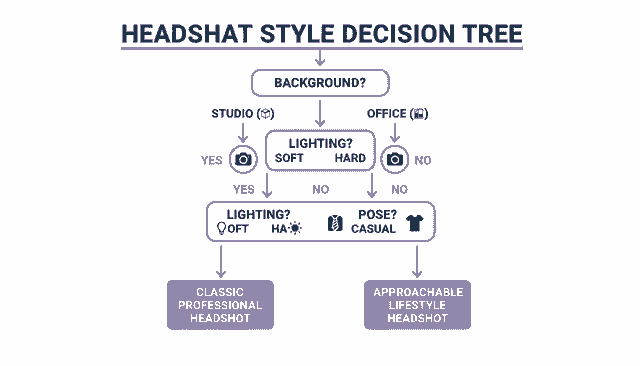
This kind of planning ensures every headshot -- no matter how it's made -- lines up perfectly with your brand.
Of course, we have to talk about cost. In 2025, a typical corporate headshot session with a professional photographer averages $283. While the arrival of AI has put some downward pressure on that price, industry surveys show that 78% of professionals still lean toward human-shot photos for their perceived authenticity.
For a large enterprise, the return on investment with AI is hard to argue with. Platforms built for business use come with team management dashboards, brand control settings, and a dead-simple process for employees. You can see how solutions like BetterPic deliver professional headshots for teams with features built for the enterprise. This method doesn't just get a professional photo for every employee; it reinforces a single, unified brand image across the entire organization, no matter where your people are.
How do the different headshot solutions compare?
To make the right call, you need a clear-eyed view of what each option brings to the table. Here's a quick comparison to help you decide between a traditional photographer, an in-house studio, or a modern AI service.
| Factor | Professional Photographer | In-House Setup | AI Headshot Generator |
|---|---|---|---|
| Consistency | High (for a single location), but very difficult across multiple locations. | High (for a single location), but impossible for remote staff. | Extremely high. Guarantees identical style for everyone, everywhere. |
| Cost | High per person. Can become very expensive for large or distributed teams. | High upfront investment in gear and training. Ongoing maintenance costs. | Low per person. Very cost-effective, especially at scale. |
| Scalability | Poor. Logistically challenging and expensive to scale to remote teams. | Poor. Limited to one physical location. | Excellent. Scales instantly to any number of employees, anywhere in the world. |
| Logistics | Complex. Requires scheduling, travel, and on-site coordination. | Moderate. Requires a dedicated space and trained personnel. | Simple. Employees do it on their own time from their phone or computer. |
| Turnaround | Days to weeks, depending on the photographer's schedule and editing queue. | Fast for photo capture, but depends on internal editing resources. | Extremely fast. Results are often delivered in under an hour. |
Each path has its place. But for a growing business with a modern, flexible workforce, the data points pretty clearly in one direction.
The best solution really hinges on your company's structure and priorities. A small, local business might be perfectly served by a traditional photographer. But for a growing enterprise with a global footprint, the scalability, consistency, and efficiency offered by AI are becoming impossible to overlook.
How do you roll out an AI headshot program at your company?
Making the switch to AI for your company's headshots is a smart move, especially if your team is spread out or growing fast. But a successful rollout is more than just picking some software. It's a real project that needs a solid plan to make sure the process is painless for everyone involved -- from the person managing it to each employee -- and that the final photos are a perfect fit for your brand.
Moving from traditional photoshoots to an AI-powered process is all about gaining consistency without the logistical nightmare. Instead of coordinating schedules, locations, and photographers, you get a simple, scalable system that any employee can use from anywhere.
Let's walk through the playbook for getting it right.
How do you pick the right AI headshot vendor?
Not all AI headshot platforms are built the same, particularly when you're looking for a business solution. The vendor you choose is the foundation of your entire program. So, you need to look past the flashy sample images and dig into the features that give you enterprise-level control and management.
Here's what you should be looking for:
- Team Management Dashboards: You absolutely need a central place to invite employees, see who's completed the process, and manage all the final photos. For any company with more than a few people, this is a deal-breaker.
- Style-Matching Controls: The platform has to let you define your brand's look. That means uploading a style guide or hand-picking the exact backgrounds, lighting, and even wardrobe styles you want. This is how you guarantee every single headshot is perfectly on-brand.
- Enterprise-Grade Security: Remember, you're handling employee data. Your vendor must have serious security protocols in place, like secure data handling and crystal-clear privacy policies. Protecting your team's information is paramount.
- Simple Employee Workflow: The process for employees has to be dead simple. A great platform will walk them through uploading their selfies with clear, easy-to-follow instructions. If it's complicated, people won't do it.
How should you communicate the rollout to employees?
Once you've picked a partner, clear communication is everything. Your team needs to know what's happening, why you're doing it, and what they need to do. If the plan is poorly communicated, you'll get confusion, low participation, and a bunch of off-brand photos.
Frame this as a perk. You're not just asking them to do something; you're investing in a modern tool to give everyone a professional, high-quality headshot they can be proud to use on their own profiles, too.
The key to a successful AI headshot rollout is making the process feel easy and valuable for the employee. When they see it as a simple way to get a great new photo, adoption rates skyrocket and brand consistency becomes effortless.
Kick things off with an announcement email that explains the "what" and "why." Then, follow up with a simple, step-by-step guide on how to get started. Show them examples of good selfies to upload (think clear, well-lit, simple background) and give them a timeline. It's also a good idea to reassure them about data privacy, letting them know their photos are being handled securely.
What does the generation and approval workflow look like?
With your vendor chosen and employees in the loop, the final piece is managing the actual process. This is where that team dashboard really shines. You can quickly see who has uploaded their photos and who might need a friendly reminder.
Most business-focused AI platforms handle a lot of this for you. An employee uploads their photos, and the AI generates a batch of headshots based on the style guide you already set up. The last step is a quick approval. You or a designated manager can look through the options for each person, pick the best one, and give it the green light.
This central control ensures only approved, on-brand headshots end up on your company website, in your HR system, or on your intranet. It's this blend of employee self-service and administrative oversight that makes modern AI headshots such a powerful option for companies that want a polished, unified look at scale. The result? A complete library of consistent, top-quality headshots for your entire team, all without the administrative headache.
How do you solve the headshot problem for remote and global teams?
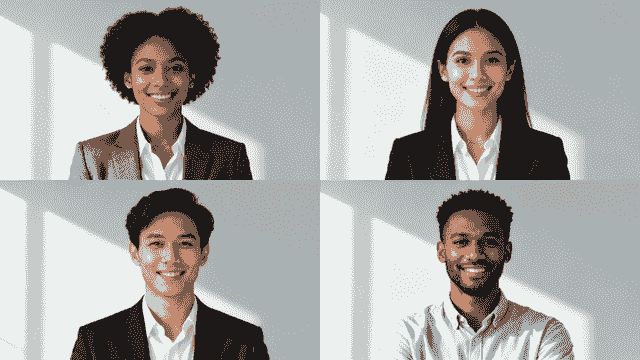
Let's be honest: keeping a consistent brand image is tough when your team is spread across different cities, countries, and time zones. The old way of doing things -- booking a photographer for an all-hands office session -- simply doesn't work anymore. It's a logistical headache that creates a visual divide.
What you end up with is a company "About Us" page where office employees look polished and professional, while your remote staff are stuck using mismatched selfies. This isn't just a minor cosmetic issue; it subtly signals disorganization and can undermine the feeling of being one unified team.
Why don't traditional methods work for distributed teams?
For any company with remote or distributed teams, the old playbook is officially broken. Trying to hire local photographers in every city where you have an employee is a coordination and budgeting disaster waiting to happen. Even if you pull it off, the results are almost guaranteed to be inconsistent.
Think about it. How do you get a photographer in New York to capture the exact same lighting, background, and mood as one in London? You can't. The alternative -- flying people to one location or sending a photographer on a world tour -- is wildly expensive and inefficient. It leaves companies stuck, often forced to settle for a visual identity that feels cobbled together.
How does AI fix the remote team headshot problem?
This is exactly where AI headshot platforms step in. They completely remove geography from the equation, putting every single team member on a level playing field, no matter where they log in from.
For global teams, the biggest win with an AI headshot solution isn't just cost savings -- it's getting brand consistency back. It ensures every employee, from headquarters to home office, is represented with the same level of professionalism.
An employee in Manila can generate a studio-quality, on-brand corporate headshot using a few of their own photos, just as easily as an employee in Chicago. This self-service approach empowers your team while giving your brand managers complete control over the final look and feel.
What does a unified visual identity actually look like in practice?
The benefits for distributed companies are immediate and obvious. AI platforms let you lock in your corporate headshot style guide with absolute precision. You define the background, the lighting, even the dress code, and the AI makes sure every photo hits the mark.
This creates some serious advantages:
- Absolute Consistency: An engineer in Tokyo and a marketer in Toronto can have headshots that look like they were taken in the same room, on the same day. That's a powerful statement of unity.
- Unmatched Scalability: When you hire a new remote employee, they can have a professional headshot ready to go within hours of starting. No photographers, no scheduling, no friction.
- Cost Efficiency: The cost per employee is a tiny fraction of what it takes to coordinate multiple photoshoots. The ROI is impossible to ignore.
- Strengthened Culture: Giving everyone access to a high-quality, professional headshot sends a clear message: every team member is a valued part of the company, regardless of their location.
By going with this modern approach, companies can finally put the headshot problem to rest. It's a way to strengthen your brand, support a global culture, and present a polished, unified face to the world -- without the old-school costs and headaches.
What's next for your team's visual identity?
The corporate headshot has come a long way. What used to be a simple, static photo tucked away on an "About Us" page is now a real tool for shaping your company's first impression online. The starting point is a solid style guide -- it's the rulebook that ensures every single image is speaking the same visual language.
But a great plan is useless without great execution. This is where smart companies are pulling ahead. While traditional photoshoots still have their moments, they just can't keep up with the logistics of scattered, remote teams. That's where AI really shines, offering a way to get consistent, high-quality headshots for every employee, no matter where they are.
Proactively managing your team's visual brand isn't just a "nice-to-have" anymore. It's a core strategy for presenting a unified, professional, and modern image to the world.
Looking forward, headshots are only going to get more woven into our digital selves. Think about photos that can be updated in a few clicks to reflect a promotion or a company-wide rebrand. That future isn't some far-off sci-fi concept; it's the very next step in brand management.
The bottom line
For any business, the message is clear: get a handle on your visual identity. Don't let your brand's first impression be a random mix of selfies, vacation photos, and outdated pictures. By setting clear style standards and using modern tools like AI, you give your team the power to look cohesive and professional, building trust with every single digital interaction.
Frequently Asked Questions
Getting headshots right for your entire company can feel like a huge task, and it's natural to have questions. Here are some straightforward answers to the things businesses ask most often when building out their visual identity.
What is the difference between a headshot and a portrait?
The easiest way to think about it is that a corporate headshot has a very specific job, while a portrait is all about telling a story.
A headshot is tightly cropped -- usually from the chest up -- with one goal: to show someone's face clearly and professionally. It's the standard for LinkedIn profiles, company websites, and email signatures. A portrait, on the other hand, is more artistic. It might include more of the person's body or their surroundings to capture personality and set a mood, which is great for a magazine feature but not so practical for a full team roster.
How should we prepare our team for a headshot session?
Good preparation is everything, whether you're hiring a photographer or using an AI service. The single most important thing you can do is give your team a clear style guide.
This guide doesn't need to be complicated, but it should cover the basics:
- Wardrobe: Recommend solid colors that match your brand. It's usually best to advise against busy patterns or big logos that can be distracting.
- Grooming: A simple note about tidy hair and a professional appearance can make a world of difference.
- Expression: Let people know what you're aiming for. Is it a confident, friendly smile or a more serious, focused look?
Giving your team this information ahead of time not only ensures consistency but also helps calm any nerves they might have about getting their picture taken.
Are AI headshots good enough for professional use?
For B2B companies, especially those with remote or distributed teams, the answer is a resounding yes. Today's AI platforms aren't just creating cartoons; they produce high-resolution, photorealistic images that are often indistinguishable from traditional studio photos. The trick is to use an enterprise-level service that lets you enforce your brand's style guide.
For a business trying to get a unified look for hundreds of employees scattered across the globe, AI isn't just "good enough" -- it's often the smartest and most efficient solution. It guarantees that every single employee gets a professional, on-brand headshot, no matter where they are.
What Teams Are Actually Seeing With AI Headshots
Real results from companies using BetterPic for their corporate headshot strategy:
BetterHealth Group — A healthcare organization with providers across 6 states eliminated inconsistent photographer results by switching to BetterPic. "We needed a solution that was streamlined and easy for everyone. BetterPic made that possible." — Manali Shah, Social Media Manager (Read the case study)
Elucient — A consulting firm working with C-suite executives, whose studio photographer quoted 10x the cost of BetterPic. "Other AI tools just weren't good enough. BetterPic was the only one that delivered studio-quality images that felt real." — John Marcinuk, CEO (Read the case study)
WYN Solutions — 100+ remote creatives replaced fragmented photos with consistent professional headshots, boosting team engagement. "BetterPic changed that instantly. The branding is consistent and the results speak for themselves." — Nick Cybela, CEO (Read the case study)
Trusted by: Apple, Meta, Google, Harvard, Amazon, LinkedIn, NVIDIA, and 1,000+ other companies
By the numbers: 32M+ headshots delivered · 2-hour average turnaround · 99% satisfaction rate · 4.7/5 on Trustpilot
Ready to give every member of your team a perfect, on-brand look without the logistical headaches? BetterPic uses advanced AI to generate studio-quality corporate headshots in under an hour. Get consistent, professional images for your entire organization today. Learn more at BetterPic
Sources & References
- LinkedIn Profile Photo Tips — LinkedIn
- How Your Profile Photo Impacts Your LinkedIn Presence — LinkedIn Official Blog
- AI Image Generation Market Report — Grand View Research
- How AI Is Changing Photography — Forbes
- Professional Headshot Photography Pricing — Thumbtack

Written by
Apoorv SharmaHead of Performance
Apoorv leads performance and growth at BetterPic with 9+ years of experience across SEO, SEM, and growth marketing. He oversees content strategy, data-driven marketing, and hands-on testing of AI headshot platforms. Previously held senior performance marketing roles across the US, Belgium, and India.
- Google Analytics & Google Ads certified
- HubSpot Inbound & Content Marketing certified
- 9+ years in SaaS growth and performance marketing
Related team and company headshots resources
Keep exploring this topic with focused resources from the B2B journey.
Primary destination:BetterPic Teams for company and employee headshots
Frequently Asked Questions
Why do B2B companies need a corporate headshot strategy?
- Corporate headshots are the first point of contact for clients, partners, and recruits on LinkedIn and company websites. Consistent professional imagery builds instant trust and signals organizational competence. Profiles with professional photos get up to 21 times more views on LinkedIn.
What should a corporate headshot style guide include?
- A style guide should define background type (studio, office, or environmental), lighting approach (soft and welcoming or dramatic), posing style (formal or relaxed), and color palette aligned with brand colors. It should standardize these elements so headshots taken anywhere look consistent.
How much does a corporate headshot cost with a photographer vs AI?
- A typical corporate headshot session with a professional photographer averages $283 per person in 2025. AI headshot generators offer per-seat pricing around $30-60 with consistent results regardless of location. For large teams, AI can cost a fraction of what coordinating multiple photographers would.
How do you roll out AI headshots across a company?
- Start by choosing a vendor with team management dashboards and style-matching controls. Communicate the rollout as a perk, not a task. Provide clear upload instructions and examples. Let the AI generate headshots matching your style guide, then have managers approve final images through a central dashboard.
How do AI headshots solve the remote team headshot problem?
- AI removes geography from the equation entirely. An employee in Berlin generates a headshot identical in style, lighting, and background to one in San Francisco. Everyone uploads selfies on their own time, and the AI ensures perfect brand consistency regardless of where team members are located.
Are AI headshots professional enough for B2B companies?
- Yes. Today's AI platforms produce high-resolution, photorealistic images that are often indistinguishable from traditional studio photos. Enterprise-level services let you enforce brand style guides, and companies like Apple, Meta, Google, and Amazon have used BetterPic for consistent team imagery.
Save 87%on average on your professional photos.
Whenever, wherever you are.
Get studio-quality, 4K images in a variety of outfits & settings in less than an hour.
Get your headshots nowStart now